Work
Meaningful innovation begins with understanding the people we serve, then creating solutions with them, not simply for them.
Physical Product Design
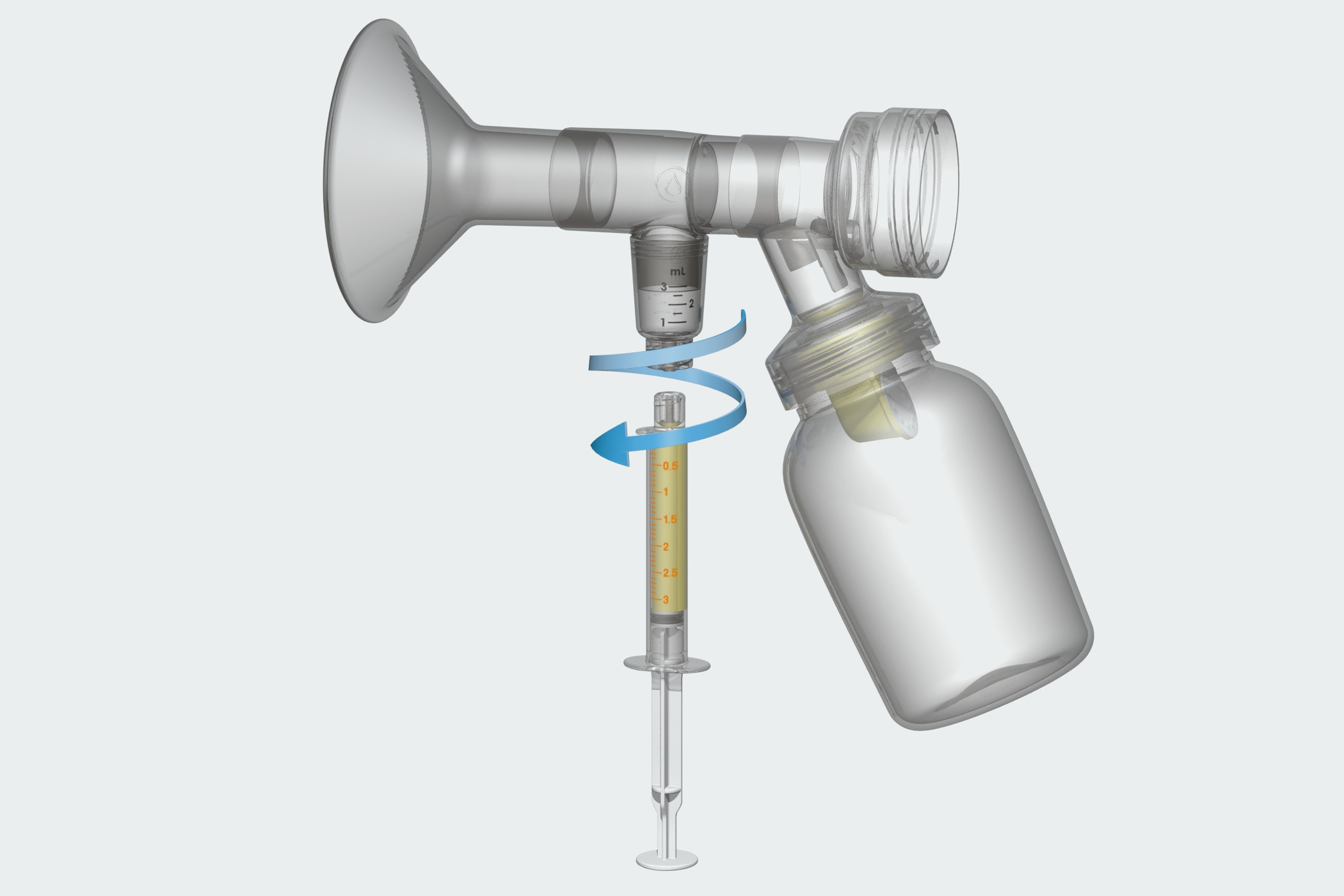
Primo-Lacto: A closed system for colostrum collection
For mothers of premature or medically fragile newborns, collecting colostrum, the first nutrient- and antibody-rich milk produced after birth, can be incredibly difficult.
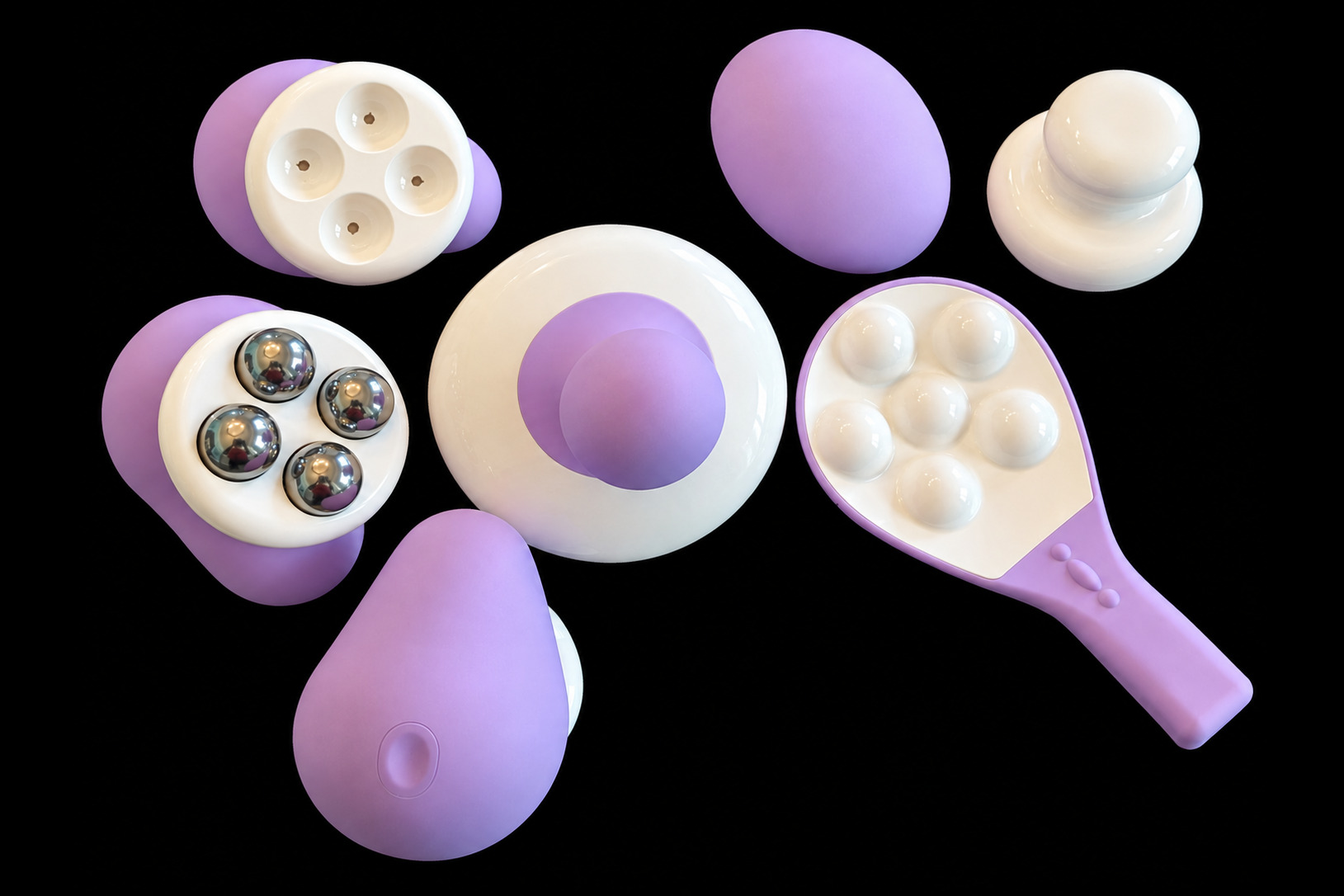
Clogged Milk Duct Relief
A series of heated breast massagers for lactating women with clogged milk ducts.

Canine Alert™ Device
For many veterans, PTSD-induced nightmares are a debilitating aspect of daily life impacting sleep quality, overall well-being and daily functioning.

The Kangarobe™
Safer, easier skin-to-skin holding in the neonatal intensive care unit (NICU).

Trach Sense
Emergencies involving tracheostomies, such as improper placement, obstruction, and accidental decannulation, pose critical risks, particularly in pediatric patients.

Connector Protectors
Preventing line, tube and drain disconnection remains an unmet need.

Song PPE Gown
Despite being in use for decades, isolation gowns still have design flaws that pose significant threats to the safety of healthcare professionals (HCPs).

Neonatal Epinephrine Dosing
Epinephrine is currently packaged and sold exclusively for adult use, requiring nurses to manually calculate and administer adjusted doses for pediatric patients in high-pressure, life-saving situations.

NOOMA: A delayed cord clamping cart
Clinicians need a way to provide respiratory support to preterm infants immediately after birth while enabling delayed umbilical cord clamping to improve neonatal outcomes.

Pelvic Lift Cushion
Emergency department clinicians require a better way to support patients during pelvic exams to improve exam effectiveness and patient comfort while reducing bio-waste.

Pediatric Personal Electronic Response System
According to FBI data, an estimated 460,000 children are reported missing every year in the United States, which includes children lost in stores and malls.

Personal Electronic Response Systems (PERS)
A way to personalize electronic response systems for individuals who feel stigmatized by designs that unintentionally make them feel old, unattractive, or dependent, to improve user confidence and adoption rates.

The Mindful Garden
Teaching young children how to manage their anxiety.