Design Research
Experimental Learning
Experiential learning is applied across many industries, but its impact in design education is not well known.

Medical Device Design Education: Identifying Problems Through Observation and Hands-On Training
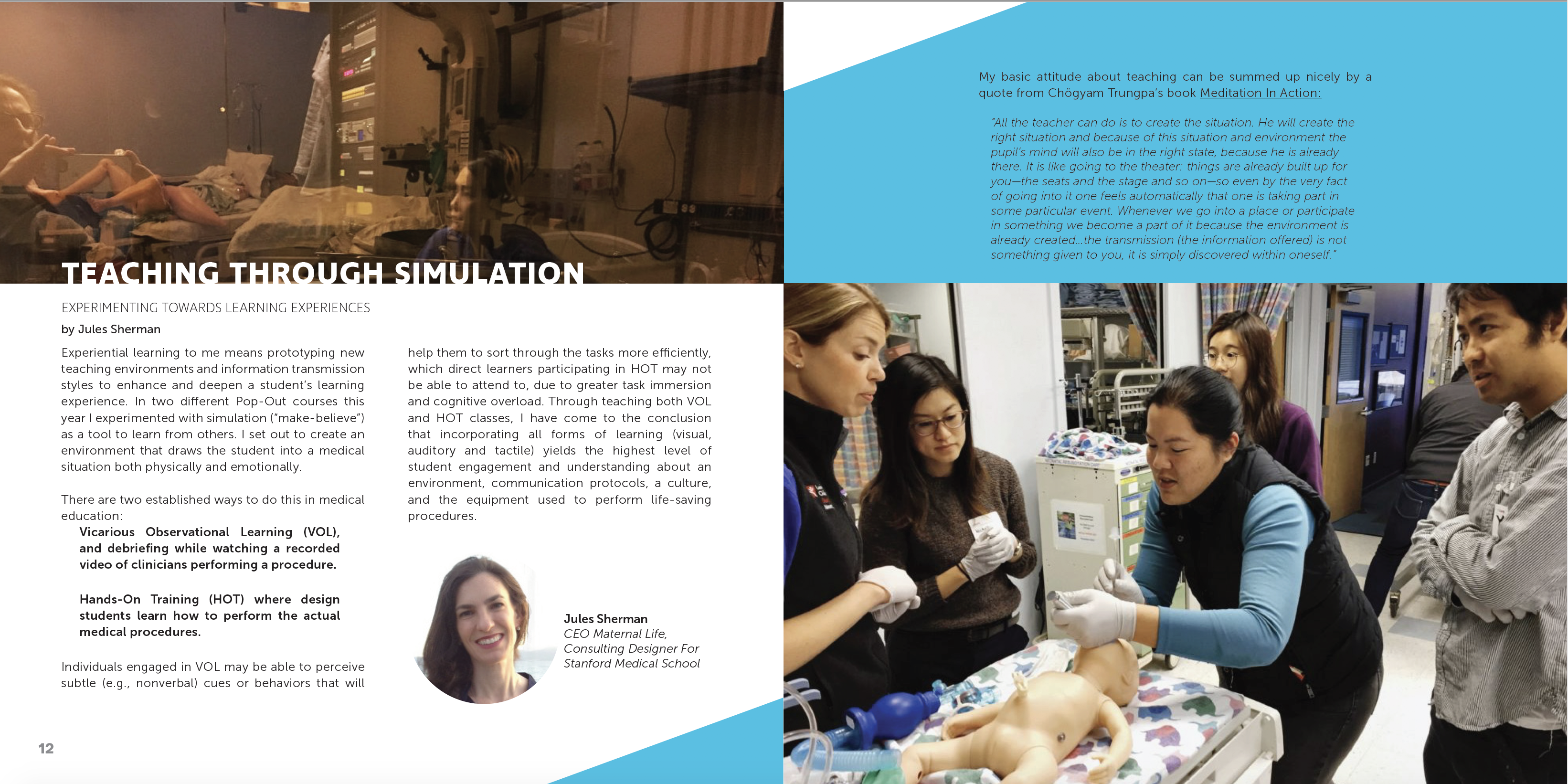
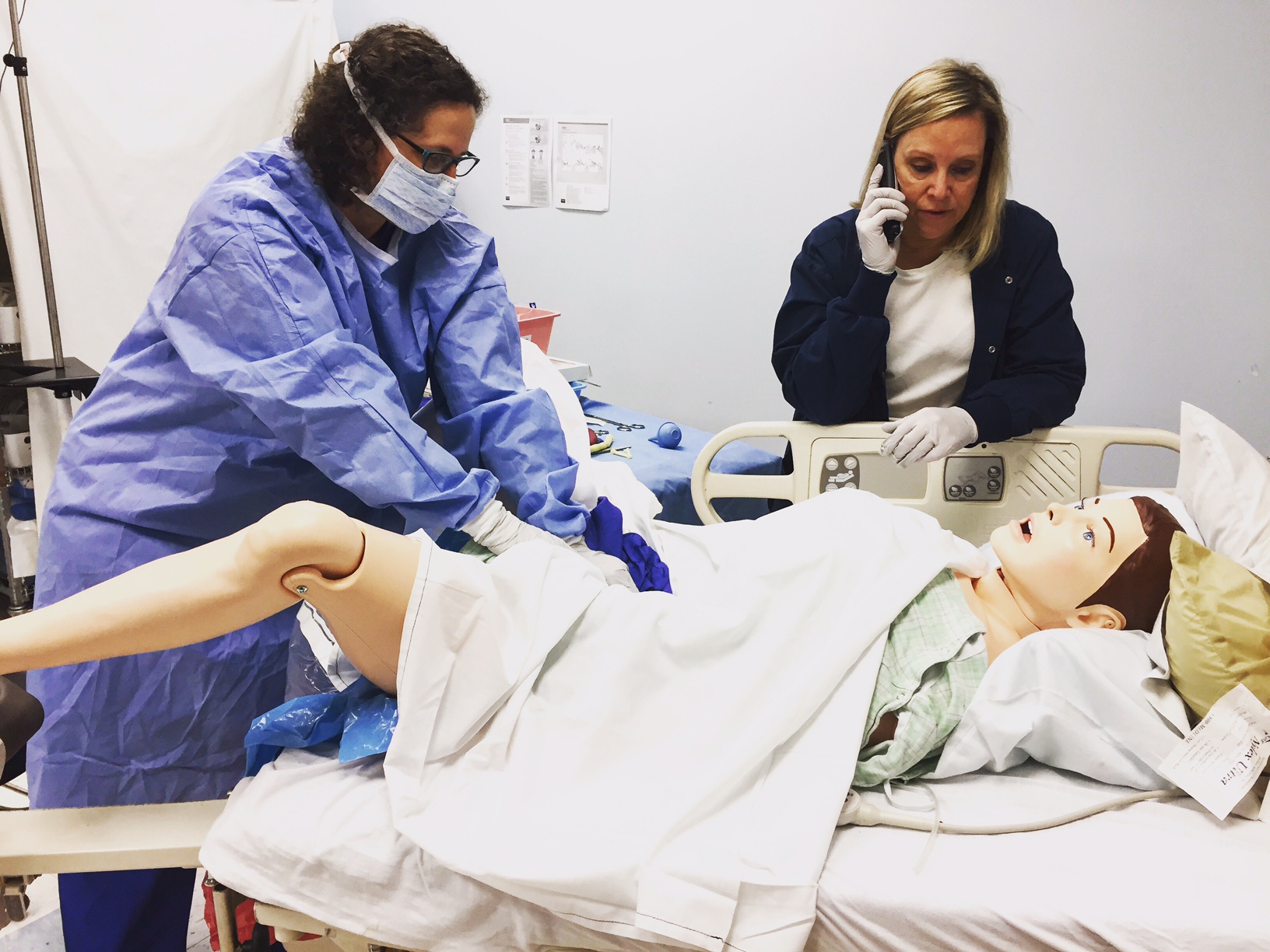
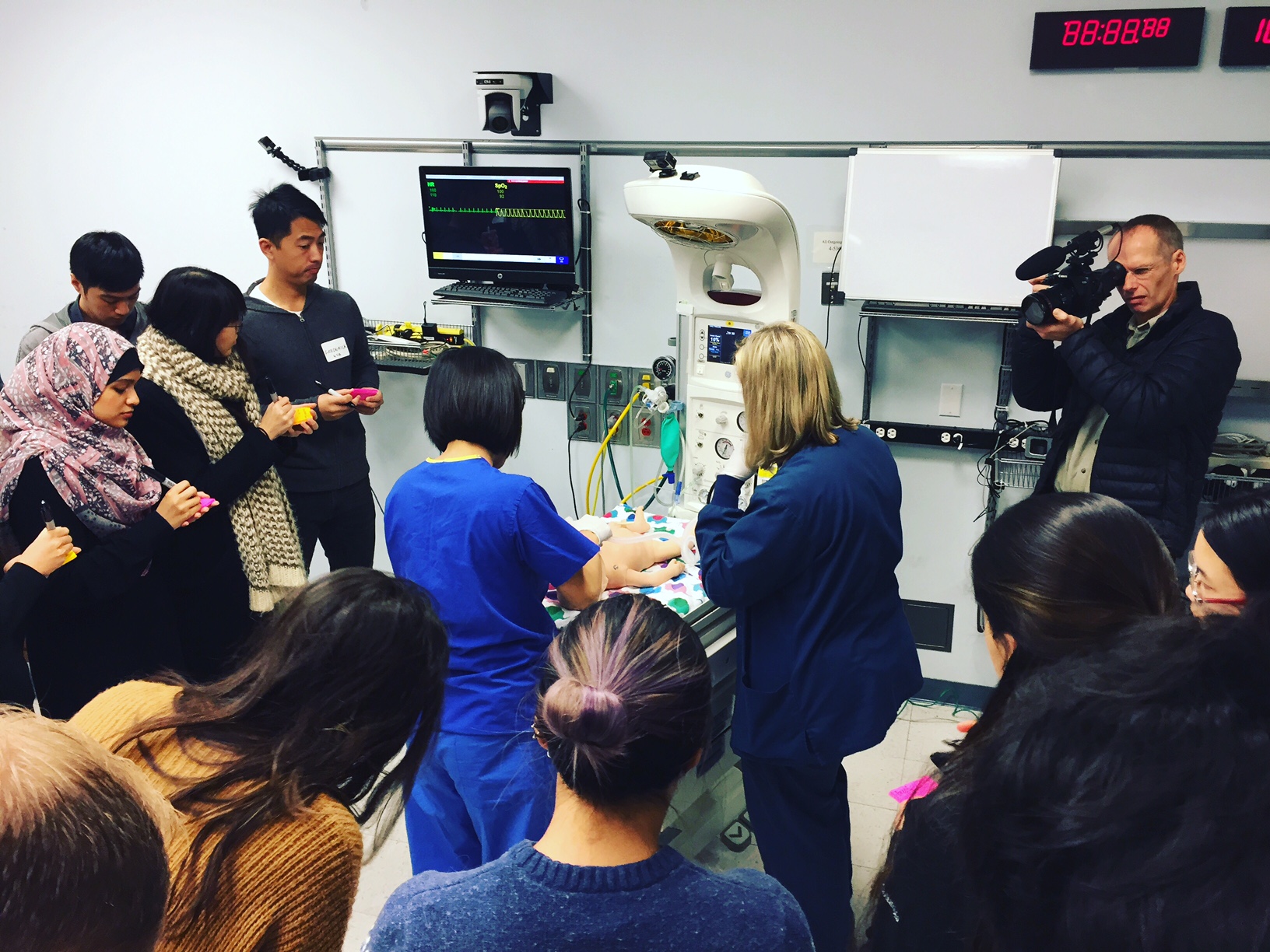
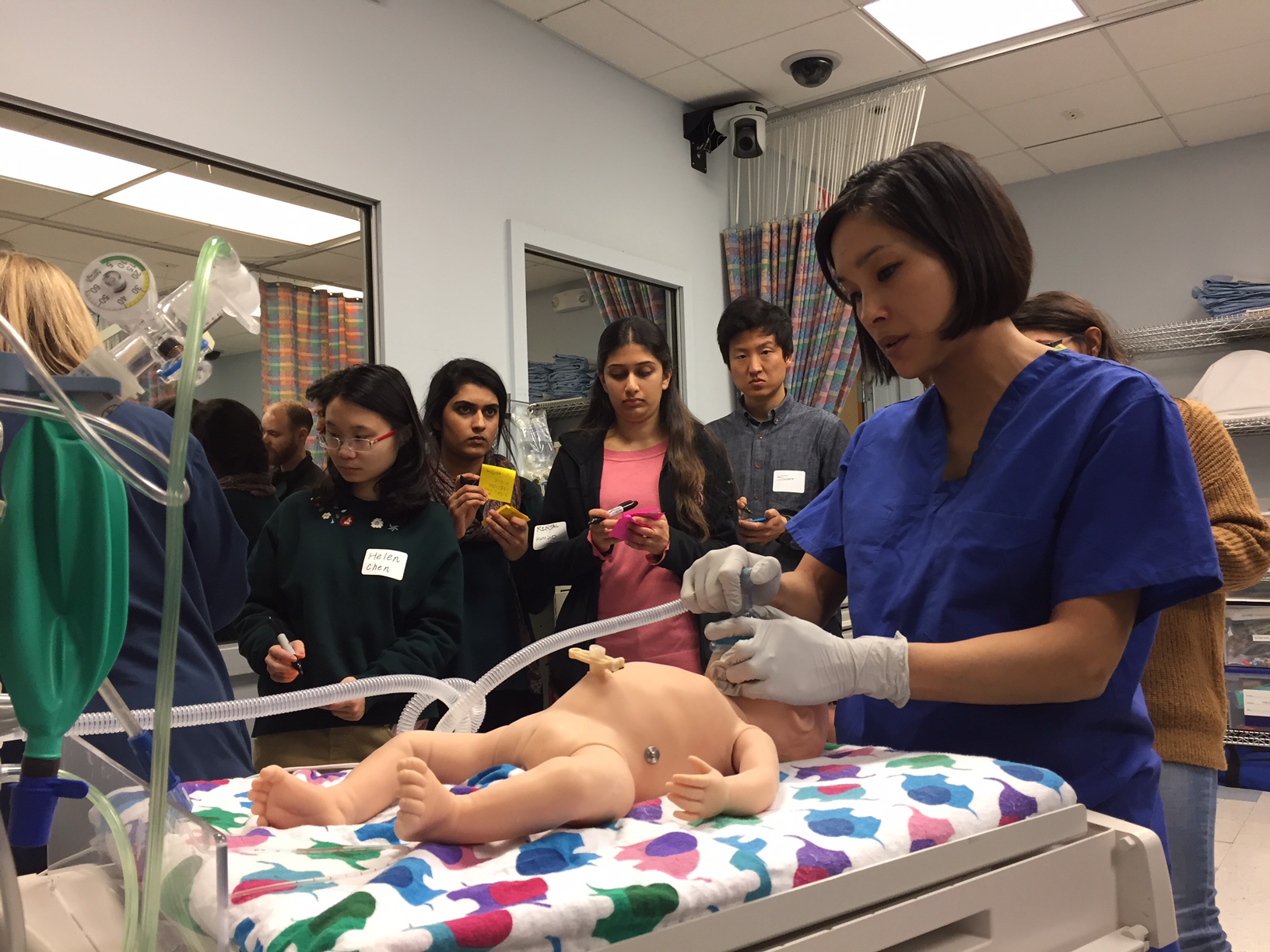
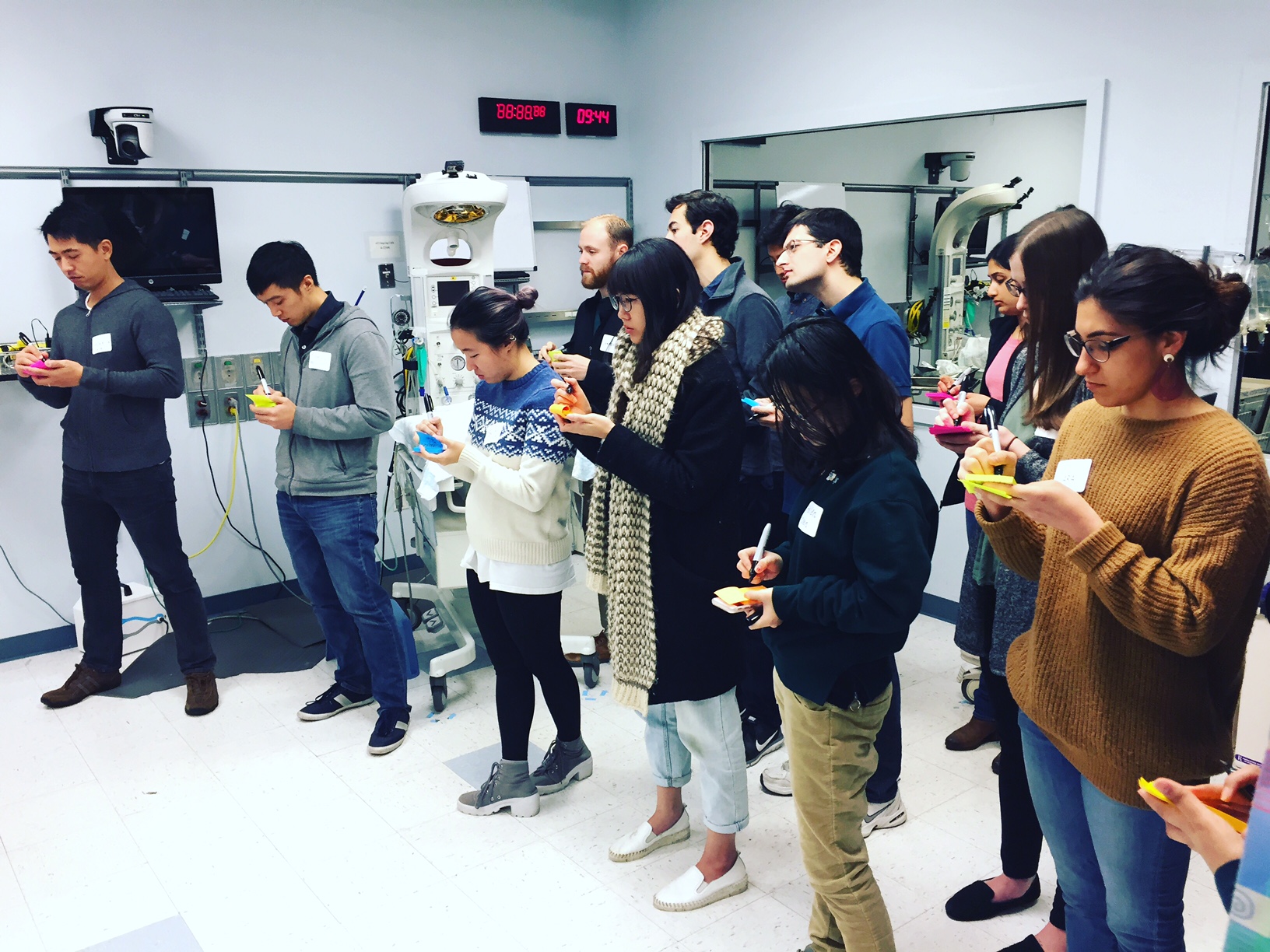
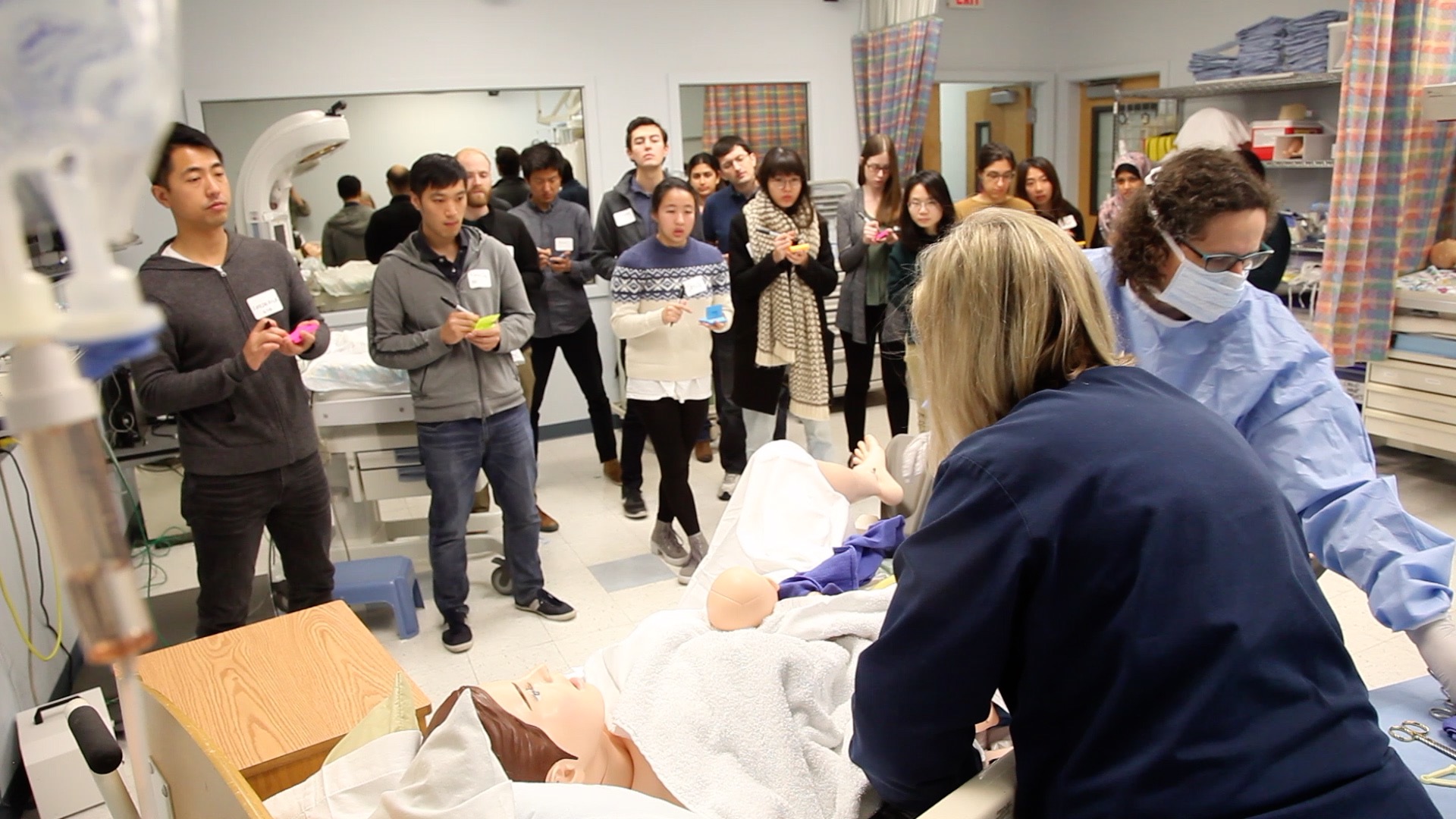
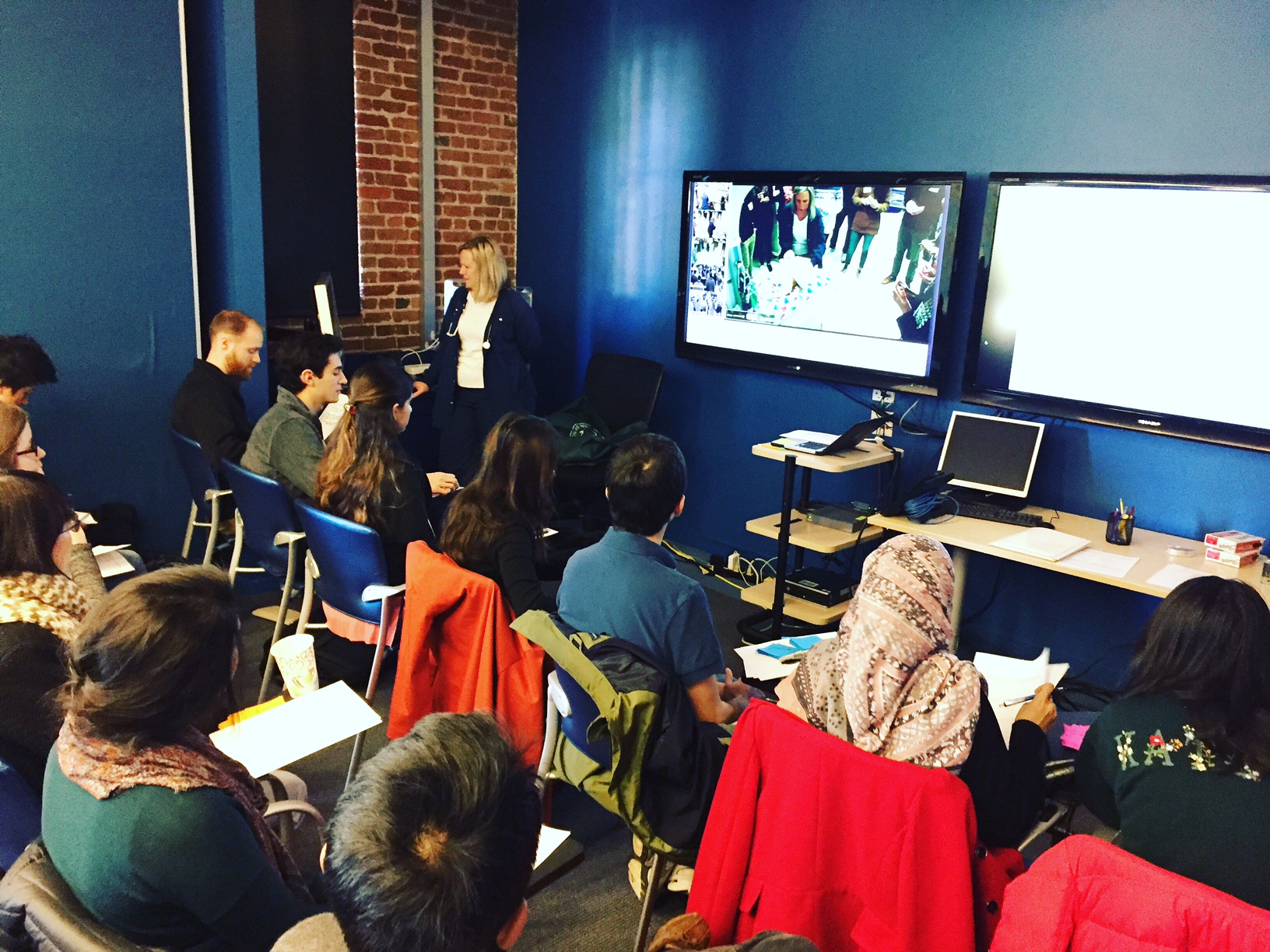
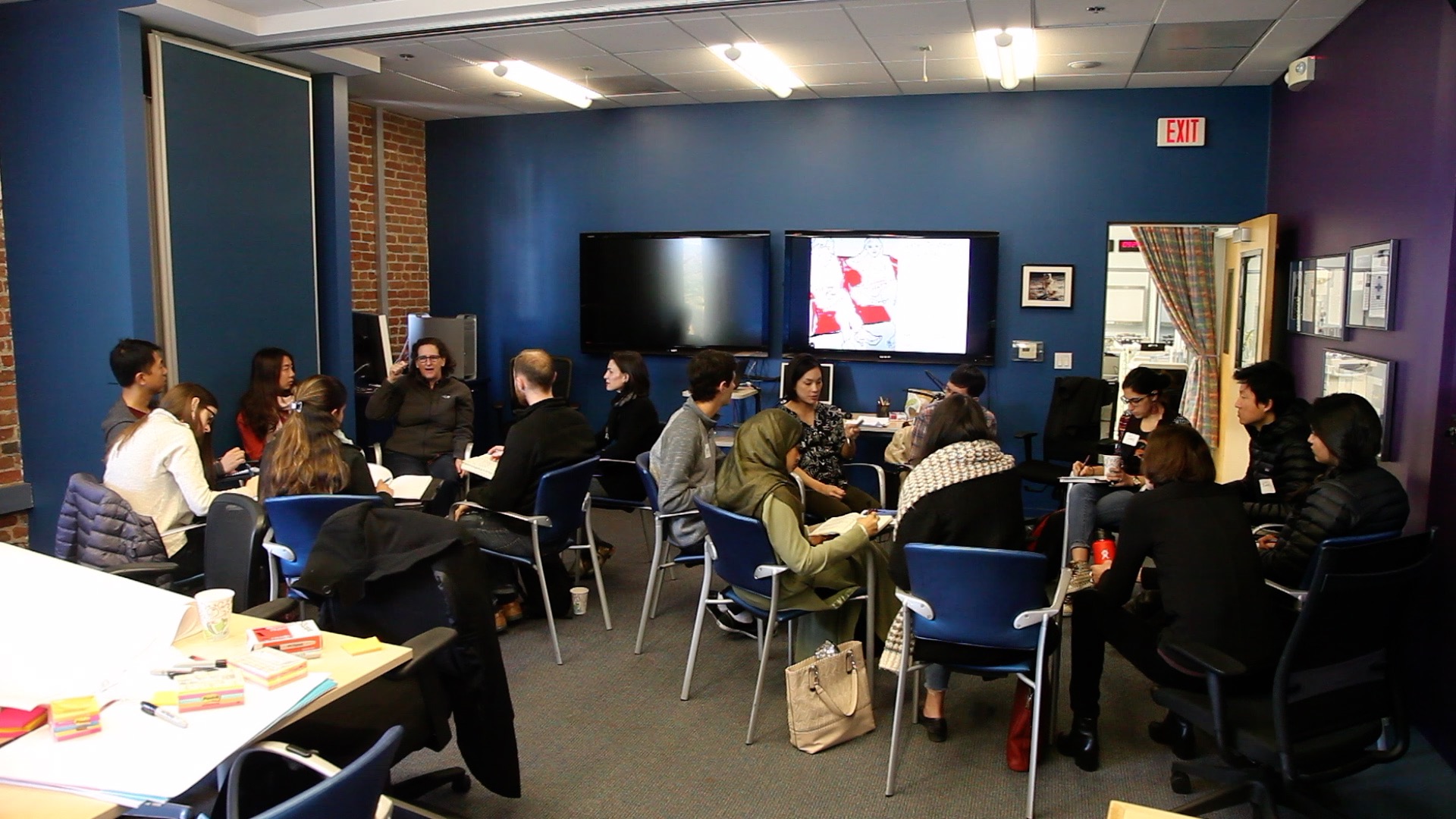
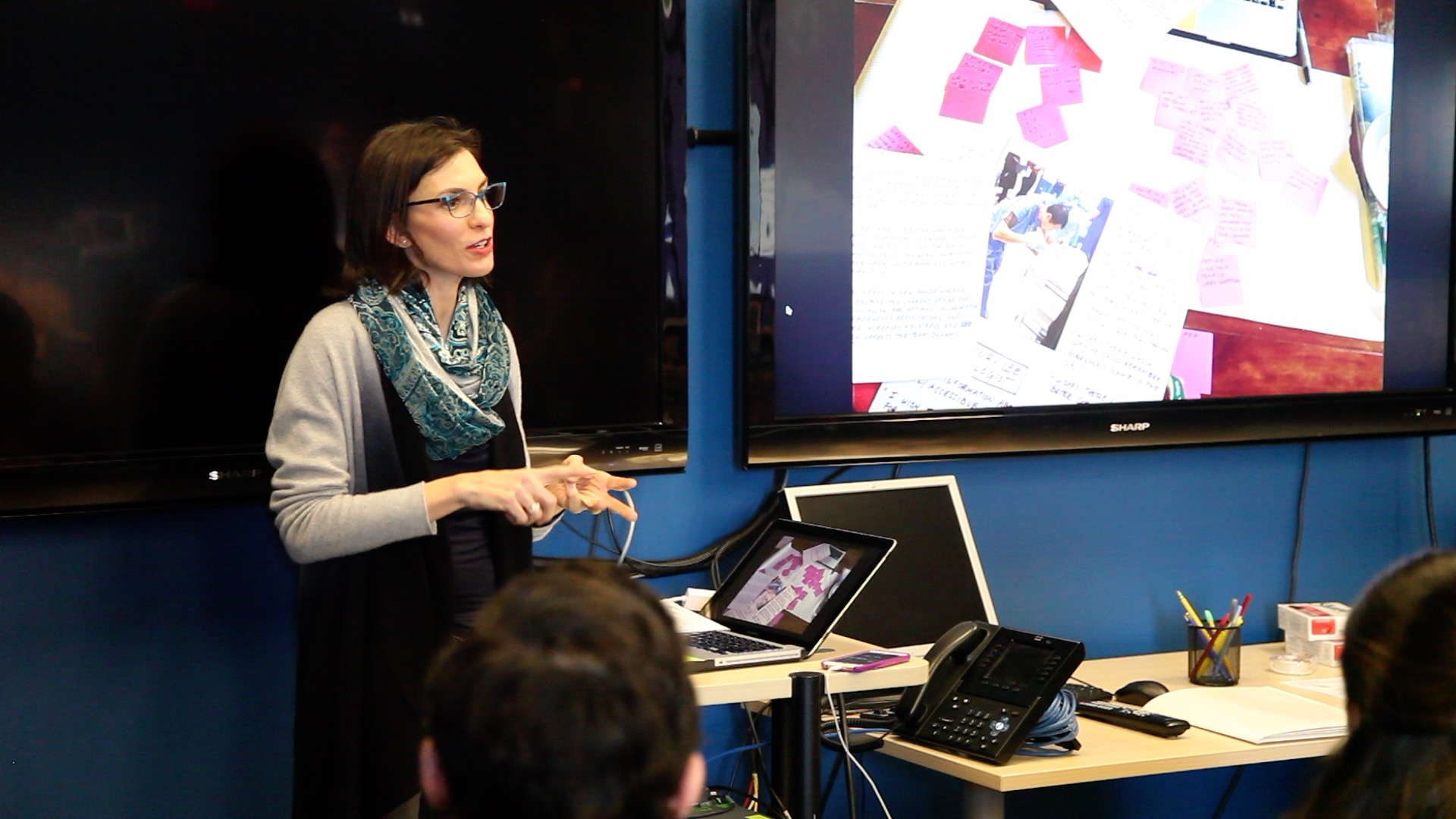
We ran two workshops of 14 to 16 students each. Both workshops covered two procedures: infant resuscitation and management of maternal hemorrhage. In one class, students learned through direct observation of clinical procedures, while in the other, they developed procedural competencies through supervised, hands-on skills training. Industry experts scored the students’ design work from both classes about the same: 6.1 for observation and 6.0 for hands-on, out of 7 (p = 0.44). Hands-on training didn’t lead to stronger design project outcomes, but the students in this cohort were visibly excited to learn how to perform the procedures themselves, and appeared highly engaged during the trainings.
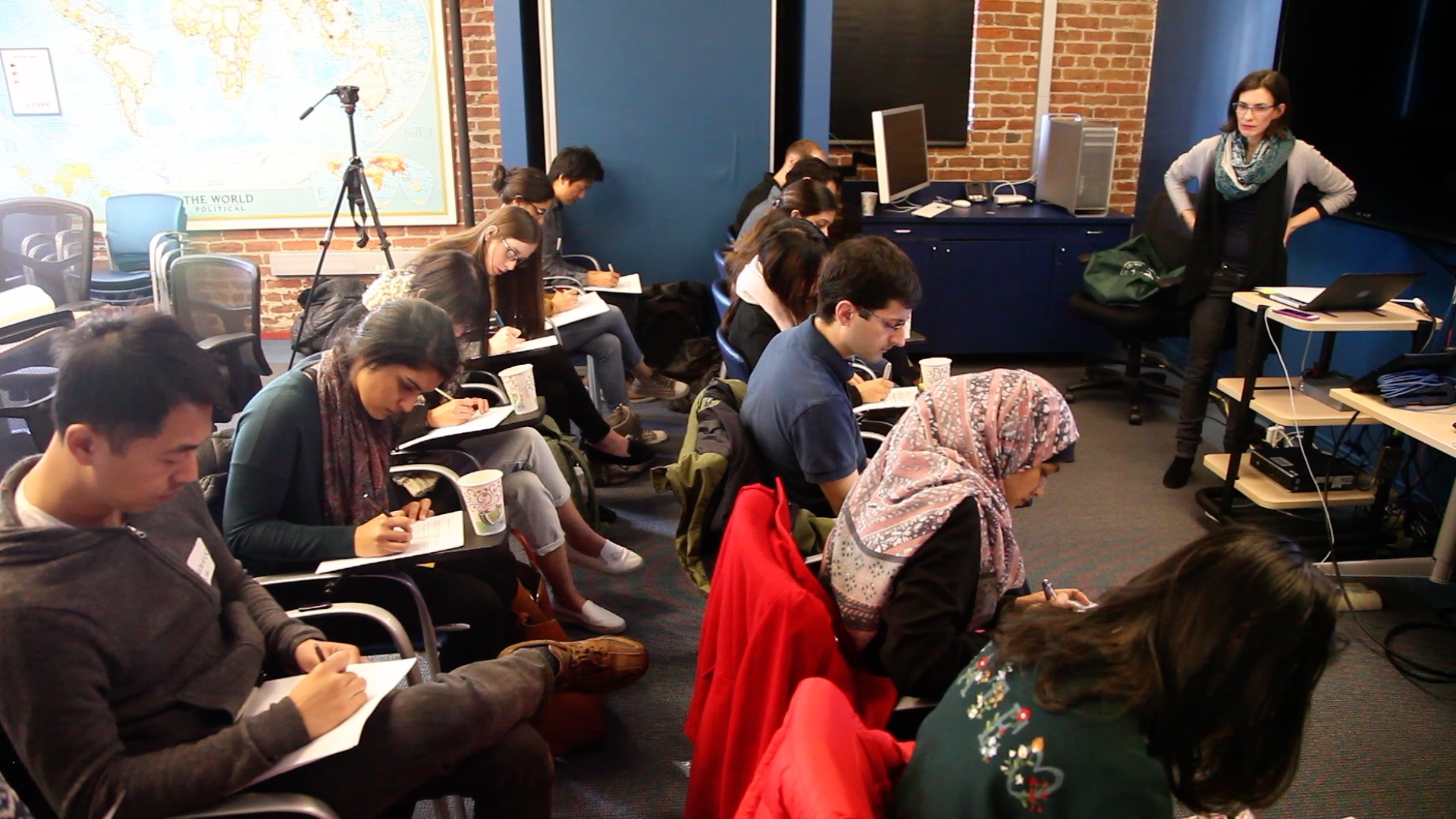
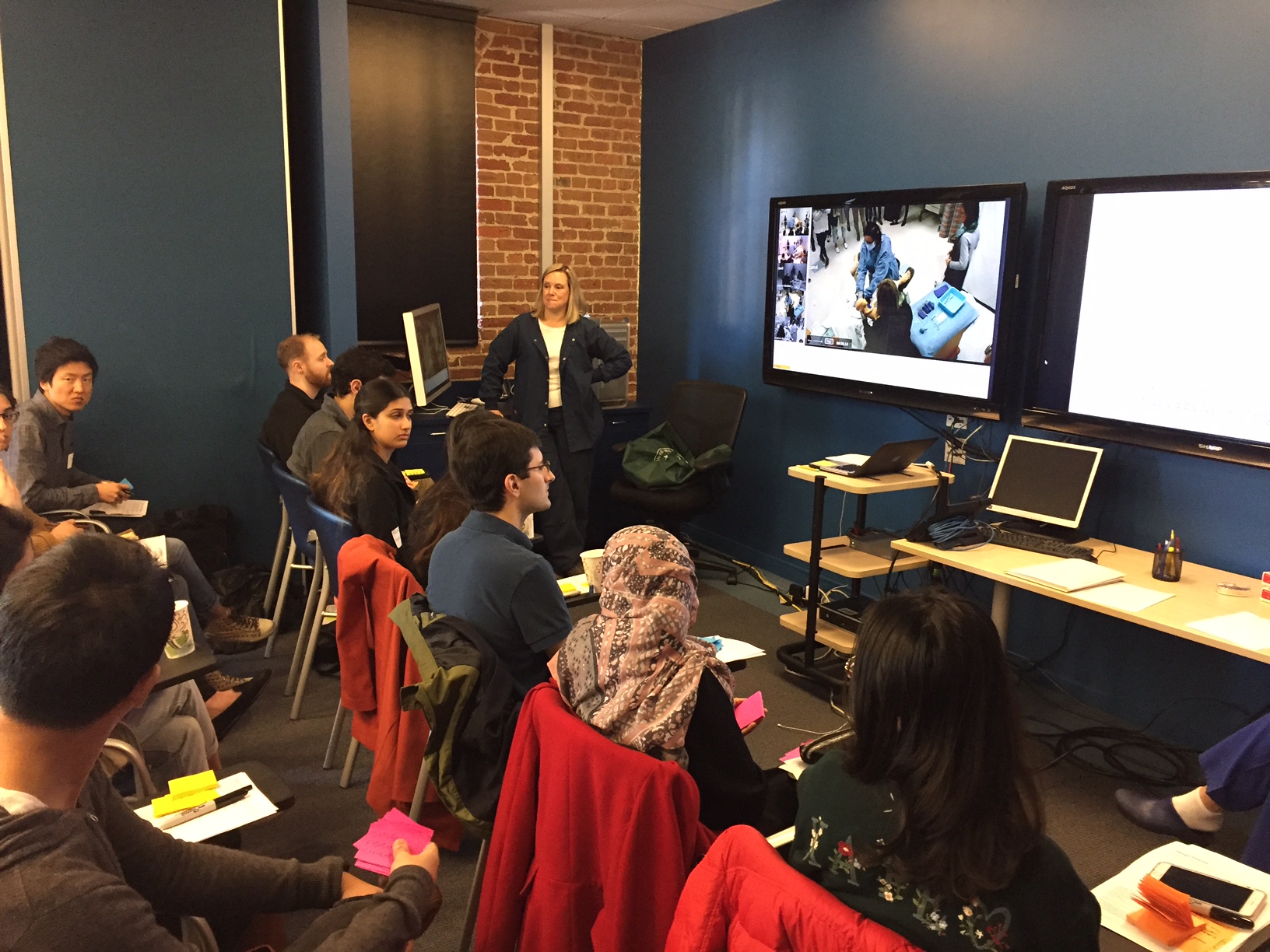
Experiential learning, which may include hands-on learning paired with observation and reflection, has been applied in several industries; however, the impact of experiential learning in design education is not well known. We investigated how the type of simulation-based learning could affect the acquisition of knowledge and the ability to synthesize that understanding into insights for medical design innovation. One workshop included observational learning and the other experiential learning with hands-on training. Each course included 14–16 multidisciplinary undergraduate and graduate students. During both workshops, we measured student comprehension of two procedures: infant resuscitation and management of maternal hemorrhage. We focused on the first two phases of design thinking: “Understanding” and “Defining the Problems”. Although the course focused on “medical device design”, we encouraged students to look beyond the tool to imagine how their design change could impact the entire system. We did not find a significant difference between the scores given to students in the two courses by industry experts. Although the quality of the ideas and execution were similar between both workshops, the instructors noticed that the integration of hands-on training into the second workshop created a higher level of excitement in the class. The methodology and the approach adopted may be relevant to many design problems. In order to better understand the impact of observational learning versus hands-on training, both workshops could be expanded into full quarter classes that allow students to expand their design thinking skills to prototype and test their ideas in the real world.
Inside the Workshops
What students said
Observation workshop, Medical Device Design, Stanford d.school, Winter 2017
“I learned how important observation is. It’s the first step to generate great insight.”
“I have used role playing, but this was much more than that. I understand the difference between simulation and role playing.”
“I learned that I usually don’t consider much of what the patients/physicians think or feel when I design prototypes for my research.”
“I am capable of approaching seemingly impossible large-scale problems and break them down enough to start designing solutions.”
Teaching Through Simulation